

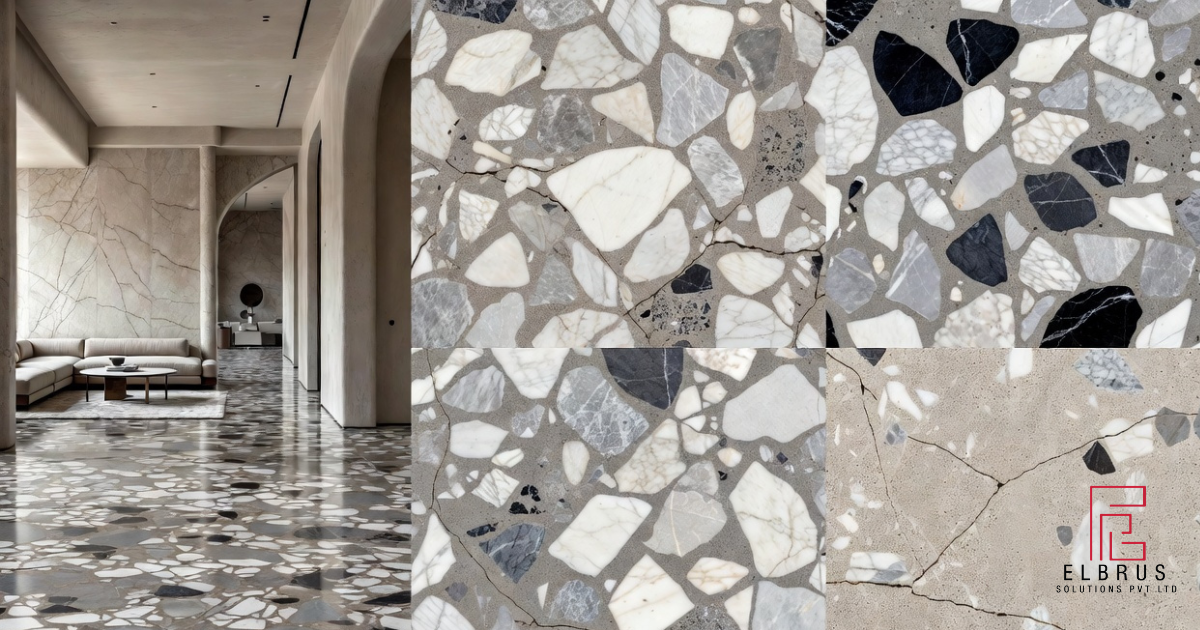
Terrazzo has become one of the most sought-after materials in modern architecture and interior design. Known for its durability, sustainability, and artistic flexibility, terrazzo is used in everything from luxury homes and hotels to airports and commercial buildings. However, one of the most important decisions when installing terrazzo is selecting the right finish.
Understanding How to Choose the Right Terrazzo Finish for Your Space can dramatically impact the appearance, safety, and maintenance requirements of a surface. Terrazzo finishes influence how light reflects off the floor, how slippery the surface becomes, and how well it hides wear over time.
A terrazzo finish refers to the final surface treatment applied after the terrazzo mixture—typically composed of marble, quartz, glass, or granite chips embedded in cement or resin—is ground and polished. Different grinding levels and sealers create varying textures and visual effects.
Some finishes produce a glossy, mirror-like surface ideal for luxury interiors, while others create a matte or textured appearance better suited for high-traffic or outdoor areas. Choosing the wrong finish can lead to higher maintenance, safety concerns, or an aesthetic mismatch with the overall design.
This guide provides a comprehensive overview of terrazzo finishes, explaining their characteristics, advantages, and ideal applications so you can confidently select the best option for your home or commercial space.
Understanding Terrazzo Finishes
What Is a Terrazzo Finish?
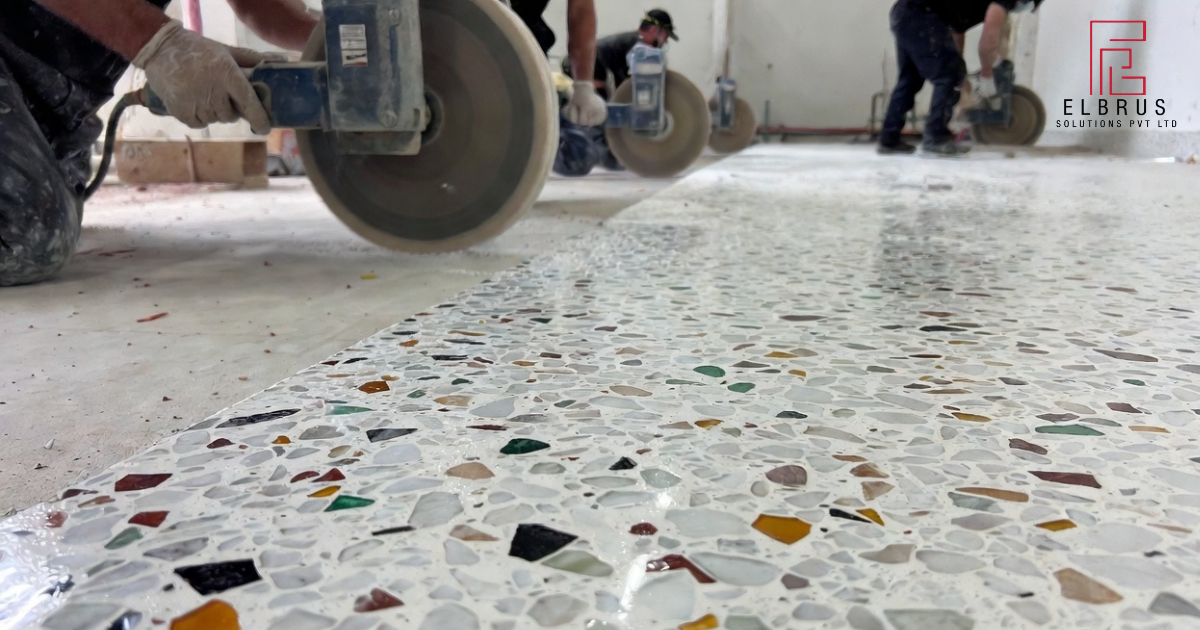
A terrazzo finish is the final treatment applied to the surface after the terrazzo floor has been poured and cured. The surface is ground with diamond abrasives to expose the decorative aggregates and create a smooth finish. After grinding, the floor may be polished, honed, sealed, or textured depending on the desired appearance and function.
The finish determines several key characteristics:
- Surface shine and reflectivity
- Texture and slip resistance
- Ease of maintenance
- Visual depth of aggregates
- Suitability for indoor or outdoor environments
Because terrazzo can be customized in many ways, the finishing process plays a major role in defining the final aesthetic and performance.
Common Types of Terrazzo Finishes
Understanding the available finishes is the first step when learning How to Choose the Right Terrazzo Finish for Your Space.
1. Polished Terrazzo Finish
Characteristics
A polished terrazzo finish is the most recognizable style. It produces a glossy, reflective surface achieved by grinding the terrazzo with progressively finer abrasives and polishing it to a high shine.
Advantages
- Luxurious appearance
- Enhances color and aggregate visibility
- Reflects light, brightening interiors
- Smooth and elegant finish
Best Applications
Polished terrazzo is commonly used in:
- Hotel lobbies
- Luxury residential interiors
- Office reception areas
- Retail stores
- Museums
Because of its shine, polished terrazzo creates a sophisticated and upscale atmosphere.
Considerations
Highly polished surfaces may become slippery when wet. Anti-slip treatments or rugs may be needed in certain environments.
2. Honed Terrazzo Finish
Characteristics
A honed finish is smoother than a matte surface but less reflective than a polished one. The terrazzo is ground with medium-grit abrasives to create a satin-like appearance.
Advantages
- Soft, natural look
- Reduced glare
- Good balance between aesthetics and practicality
- Hides scratches better than polished surfaces
Best Applications
Honed terrazzo works well in:
- Residential living rooms
- Hallways
- Offices
- Restaurants
- Libraries
This finish is often chosen when designers want elegance without excessive shine.
3. Matte Terrazzo Finish
Characteristics
Matte terrazzo has a low-sheen appearance and a slightly textured feel. It is created by stopping the grinding process earlier or applying sealers that reduce shine.
Advantages
- Subtle and modern aesthetic
- Lower slip risk
- Easy to maintain
- Minimizes glare
Best Applications
Matte finishes are ideal for:
- Contemporary homes
- Kitchens
- Bathrooms
- Educational facilities
- High-traffic areas
Because matte surfaces conceal footprints and scratches better, they are practical for everyday use.
4. Textured or Anti-Slip Terrazzo Finish
Characteristics
Textured terrazzo surfaces are designed specifically to improve slip resistance. They may be produced through mechanical brushing, sandblasting, or special additives.
Advantages
- High slip resistance
- Safer for wet areas
- Durable under heavy foot traffic
Best Applications
Textured terrazzo is often used in:
- Outdoor walkways
- Swimming pool decks
- Public transit stations
- Hospitals
- Industrial environments
Safety is the primary reason designers select this finish.
Factors to Consider When Choosing a Terrazzo Finish
Selecting the right finish depends on both aesthetic goals and practical requirements.
1. Foot Traffic Levels
High-traffic areas require finishes that can withstand constant use.
Recommended finishes for heavy traffic:
- Honed terrazzo
- Matte terrazzo
- Textured terrazzo
Polished terrazzo may show scratches more easily in extremely busy environments.
2. Slip Resistance Requirements
Safety is a critical consideration, particularly in wet environments.
Spaces that require higher slip resistance include:
- Bathrooms
- Commercial kitchens
- Outdoor walkways
- Poolside areas
Textured or matte finishes provide better traction in these spaces.
3. Lighting and Reflectivity
The amount of natural or artificial light in a space should influence your choice.
- Polished terrazzo reflects light and brightens interiors.
- Honed or matte finishes reduce glare in bright spaces.
Designers often use polished finishes in darker interiors to enhance brightness.
4. Maintenance Preferences
Maintenance requirements vary between finishes.
- Polished terrazzo may require periodic polishing to maintain its shine.
- Matte and honed finishes tend to hide wear better.
- Textured finishes may trap dirt if not cleaned regularly.
Choosing a finish that aligns with your maintenance capabilities ensures long-term satisfaction.
Design Considerations for Terrazzo Finishes
Beyond functionality, the finish also influences the overall design of a space.
Highlighting Terrazzo Aggregates
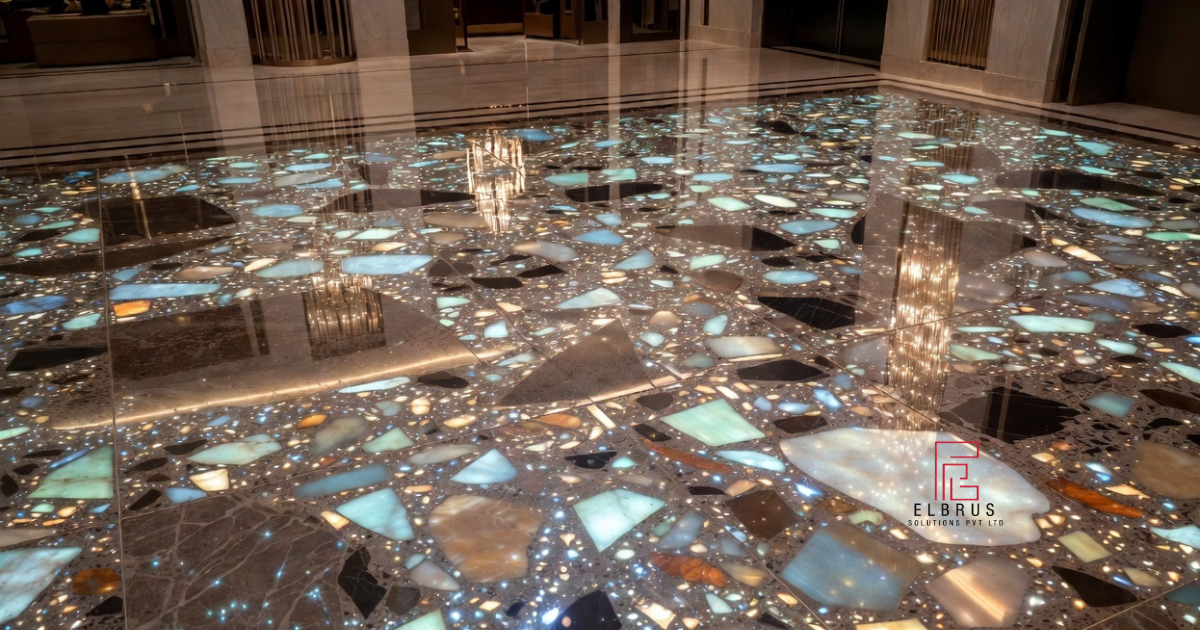
Polished finishes emphasize the beauty of aggregates such as marble, glass, or quartz chips. Large aggregates become visually striking when polished.
Matte finishes, on the other hand, create a softer, more understated look.
Matching Interior Styles
Different finishes complement different design aesthetics.
| Interior Style | Recommended Terrazzo Finish |
|---|---|
| Luxury & Classic | Polished |
| Minimalist | Honed |
| Scandinavian | Matte |
| Industrial | Matte or Textured |
| Outdoor & Public Spaces | Textured |
Professional Installation and Finishing
Choosing the right finish is only part of the process. Professional installation ensures the finish performs as expected.
Experienced terrazzo installers understand:
- Proper grinding techniques
- Sealant selection
- Surface leveling
- Aggregate exposure control
Working with skilled professionals ensures durability and visual quality.
Conclusion
Choosing the right terrazzo finish is essential for achieving both the desired aesthetic and long-term performance of your flooring. By understanding How to Choose the Right Terrazzo Finish for Your Space, you can make informed decisions that balance beauty, safety, and practicality.
Polished finishes bring luxury and shine, honed finishes offer subtle elegance, matte surfaces provide modern practicality, and textured finishes ensure safety in demanding environments. Each option serves a unique purpose, making terrazzo one of the most adaptable materials in architecture.
With careful consideration of traffic levels, lighting, slip resistance, and maintenance needs, terrazzo can deliver a surface that remains beautiful and functional for decades.