

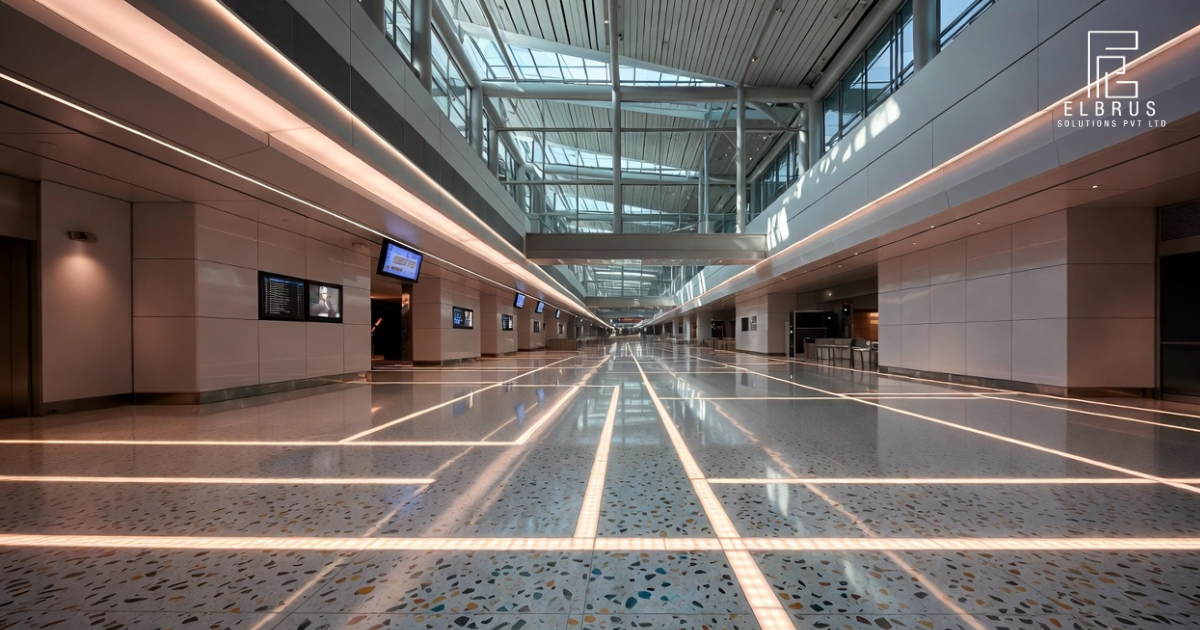
The construction and interior design industries are evolving rapidly with the integration of smart technologies, advanced materials, and sustainable design strategies. Among the materials undergoing a remarkable transformation is terrazzo. Once considered a traditional flooring material used primarily for durability, terrazzo has now become a canvas for technological innovation and architectural creativity.
The growing interest in Innovations in Terrazzo: Integrating Smart Materials & Lighting reflects how designers are redefining the possibilities of this centuries-old material. Through the integration of smart materials, embedded lighting systems, and advanced fabrication techniques, terrazzo surfaces are no longer just functional—they are interactive, dynamic, and visually captivating.
Modern terrazzo systems now incorporate fiber optics, LED strips, luminescent aggregates, and sensor-enabled components. These innovations allow terrazzo surfaces to glow, respond to environmental changes, and enhance spatial experiences. From airport terminals to luxury hotels and smart homes, these advancements are turning terrazzo into an architectural feature that blends art, technology, and sustainability.
This article explores the latest innovations in terrazzo, highlighting how smart materials and lighting technologies are shaping the future of architectural design.
The Evolution of Terrazzo in Modern Architecture
From Traditional Craft to Advanced Material
Terrazzo originated in 15th-century Venice as a resourceful way to reuse leftover marble chips. Workers embedded these fragments into clay surfaces and polished them to create durable flooring. Over centuries, terrazzo evolved with the introduction of cement binders and later epoxy resins, allowing for greater flexibility in design.
Today’s terrazzo systems can incorporate a wide range of aggregates such as glass, quartz, granite, and recycled materials. These developments have expanded terrazzo’s use beyond floors to walls, countertops, furniture, and exterior facades.
However, the most exciting transformation is occurring through the integration of advanced materials and digital technologies.
Why Innovation Matters in Terrazzo Design
Architects and designers are increasingly seeking materials that offer more than just aesthetics. Modern buildings demand surfaces that enhance user experience, improve energy efficiency, and support smart infrastructure.
Innovative terrazzo solutions provide several benefits:
- Enhanced visual impact
- Improved safety through illuminated pathways
- Integration with smart building systems
- Greater design customization
- Increased sustainability through new materials
These capabilities are helping terrazzo remain relevant in an era defined by technological advancement.
Smart Materials Transforming Terrazzo Surfaces
Smart materials are substances that respond to environmental changes such as light, temperature, or pressure. When integrated into terrazzo, they create surfaces that interact with their surroundings.
Photoluminescent Aggregates
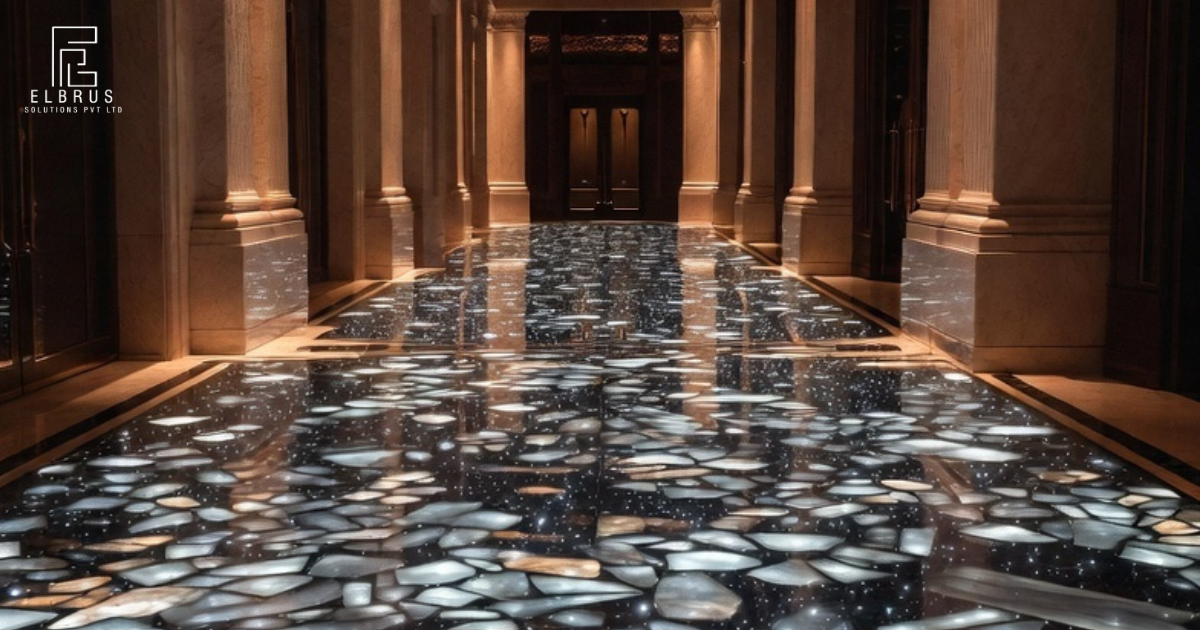
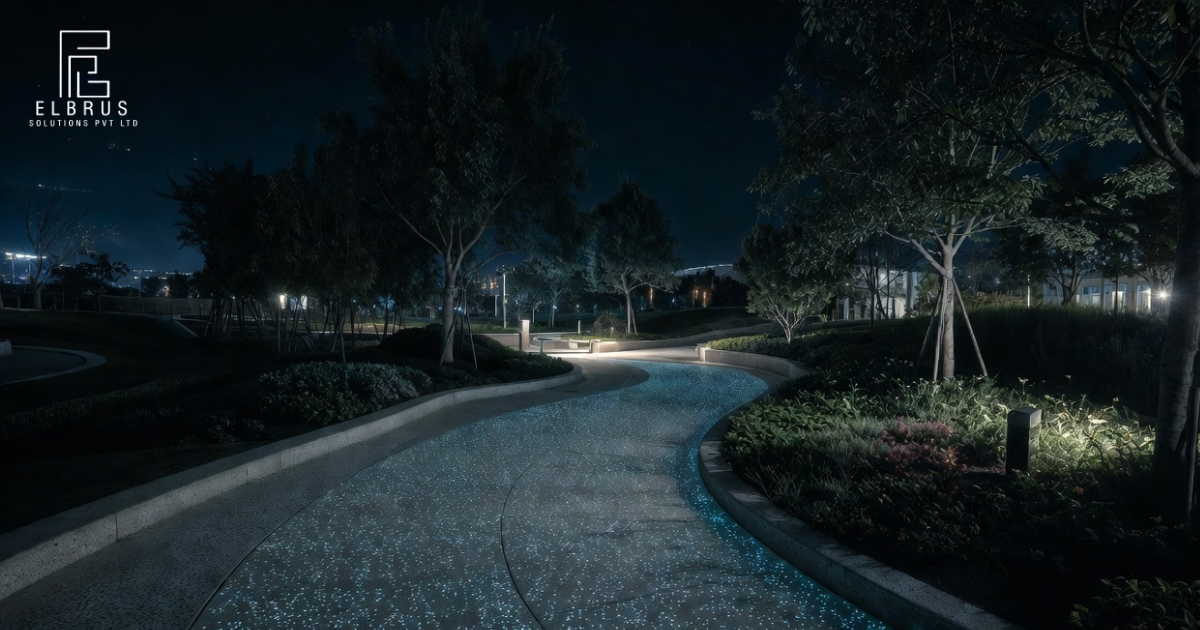
Photoluminescent aggregates absorb light during the day and emit a soft glow in dark environments. When embedded into terrazzo floors or walls, these materials create subtle illumination without requiring electricity.
Benefits
- Energy-efficient lighting solution
- Enhanced nighttime visibility
- Unique aesthetic effects
Common Applications
- Outdoor walkways
- Hotel corridors
- Emergency exit paths
- Public parks
The glowing particles create a star-like effect that adds both safety and visual interest to spaces.
Recycled Glass with Reflective Properties
Recycled glass aggregates are increasingly used in modern terrazzo systems. These materials reflect light more effectively than traditional stone aggregates.
The reflective quality enhances brightness in interior spaces and works particularly well when combined with lighting systems.
Advantages
- Sustainable material sourcing
- Increased light reflection
- Vibrant color options
This approach aligns with both sustainability goals and contemporary design trends.
Conductive Materials for Smart Surfaces
Some experimental terrazzo systems incorporate conductive materials that allow electrical currents to pass through the surface. These systems enable integration with sensors, heating systems, and lighting elements.
Potential uses include:
- Interactive floors in museums
- Heated terrazzo surfaces in cold climates
- Smart building infrastructure
While still emerging, conductive terrazzo systems represent a fascinating step toward intelligent architectural materials.
Integrating Lighting Technologies into Terrazzo
Lighting integration is one of the most exciting developments in modern terrazzo design.
LED-Embedded Terrazzo Flooring
LED lighting can be embedded directly into terrazzo floors using specially designed channels or transparent aggregates.
Advantages
- Dynamic lighting effects
- Improved wayfinding in public buildings
- Customizable color changes
Applications
- Airport terminals
- Shopping malls
- Entertainment venues
- Exhibition spaces
LED-integrated terrazzo can guide visitors through large buildings while also enhancing architectural aesthetics.
Fiber Optic Lighting in Terrazzo
Fiber optic lighting systems allow small strands of light to pass through terrazzo surfaces, creating subtle glowing effects.
Unlike traditional lighting, fiber optics produces minimal heat and can be integrated safely into flooring systems.
Design Possibilities
- Starry night floor patterns
- Illuminated pathways
- Decorative wall panels
These designs create immersive environments that transform ordinary spaces into visually stunning experiences.
Edge Lighting for Terrazzo Surfaces
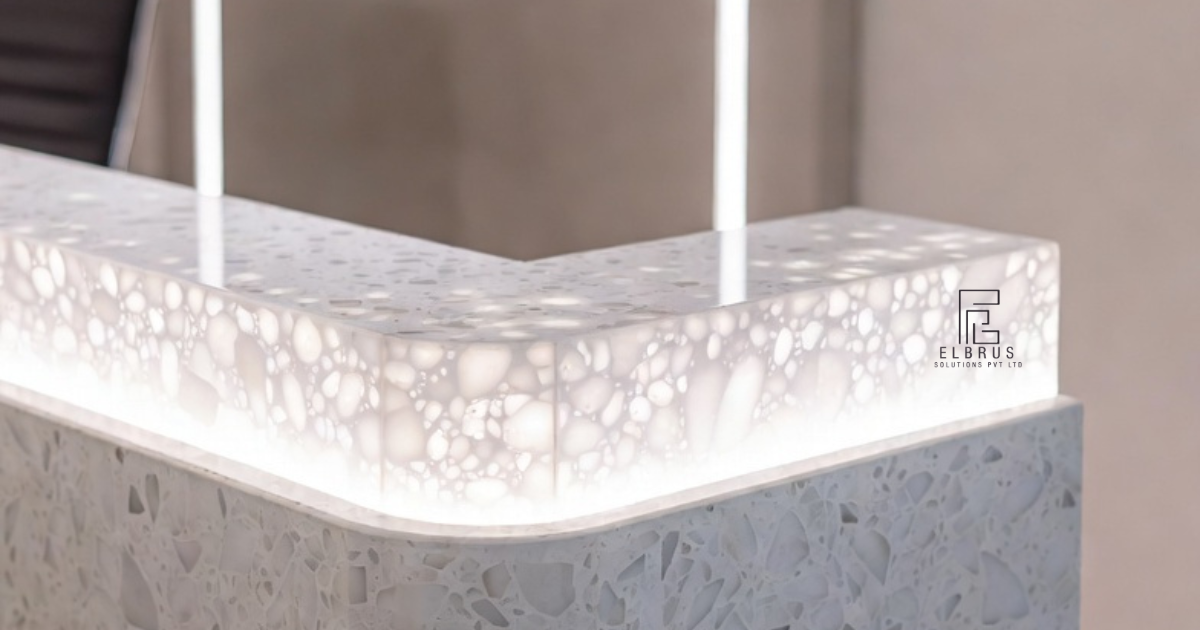
Edge lighting involves placing LED strips along the edges of terrazzo slabs or panels. The light travels through translucent aggregates, creating a soft glow across the surface.
This technique is particularly effective for:
- Reception desks
- Bar counters
- Stair edges
- Architectural feature walls
Edge-lit terrazzo adds depth and dimension to interiors without overwhelming the design.
Smart Terrazzo Applications in Architecture
Innovations in terrazzo are expanding its use across various architectural settings.
Smart Airports and Transit Hubs
Large transportation facilities require durable flooring that can handle heavy traffic while guiding passengers efficiently.
LED-integrated terrazzo floors can:
- Highlight walking routes
- Direct passengers to gates
- Improve safety during low-light conditions
These systems combine functionality with striking visual design.
Luxury Hospitality and Hotels
Hotels increasingly use illuminated terrazzo surfaces to create memorable guest experiences.
Examples include:
- Glowing lobby floors
- LED-lit reception counters
- Decorative terrazzo wall panels
These features enhance the atmosphere and create a strong visual identity for the space.
Interactive Museums and Cultural Spaces
Museums often seek innovative ways to engage visitors. Smart terrazzo surfaces can respond to movement or touch through embedded sensors and lighting systems.
Interactive floors can:
- Trigger lighting effects
- Display patterns
- Guide visitors through exhibitions
Such installations transform floors into dynamic storytelling elements.
Smart Homes and Residential Design
Although most innovations appear in commercial buildings, smart terrazzo is slowly entering residential design.
Homeowners may use:
- LED-lit kitchen islands
- Illuminated bathroom floors
- Glowing outdoor pathways
These features add both practicality and visual interest to modern homes.
Sustainability Benefits of Smart Terrazzo Systems
Despite technological advancements, terrazzo remains one of the most sustainable architectural materials.
Energy-Efficient Lighting
Photoluminescent aggregates and LED systems consume far less energy than traditional lighting solutions.
This reduces overall energy usage in buildings.
Recycled Material Content
Many terrazzo systems incorporate recycled glass, stone, and industrial waste materials.
This reduces environmental impact and supports sustainable construction practices.
Long Lifespan
Terrazzo floors can last 50 to 100 years, meaning fewer replacements and less construction waste.
Combining durability with advanced technology ensures terrazzo remains relevant in future architecture.
Future Trends in Smart Terrazzo Design
The next decade is expected to bring even more technological integration.
Potential developments include:
- Self-cleaning terrazzo surfaces
- Temperature-sensitive color-changing aggregates
- AI-controlled lighting patterns
- Augmented reality interactive floors
These innovations could transform terrazzo from a passive building material into an active component of smart architecture.
Conclusion
The future of architecture is increasingly defined by the fusion of technology and design. Innovations in Terrazzo: Integrating Smart Materials & Lighting demonstrate how a centuries-old material can evolve to meet modern demands for sustainability, interactivity, and visual impact.
Through photoluminescent aggregates, LED integration, fiber optics, and smart materials, terrazzo is transforming from a traditional flooring option into a dynamic architectural surface. These innovations allow designers to create environments that are not only beautiful but also functional, safe, and technologically advanced.
As smart buildings continue to shape the future of urban spaces, terrazzo will likely remain at the forefront of architectural innovation—proving that even the oldest materials can adapt to the most modern ideas.