

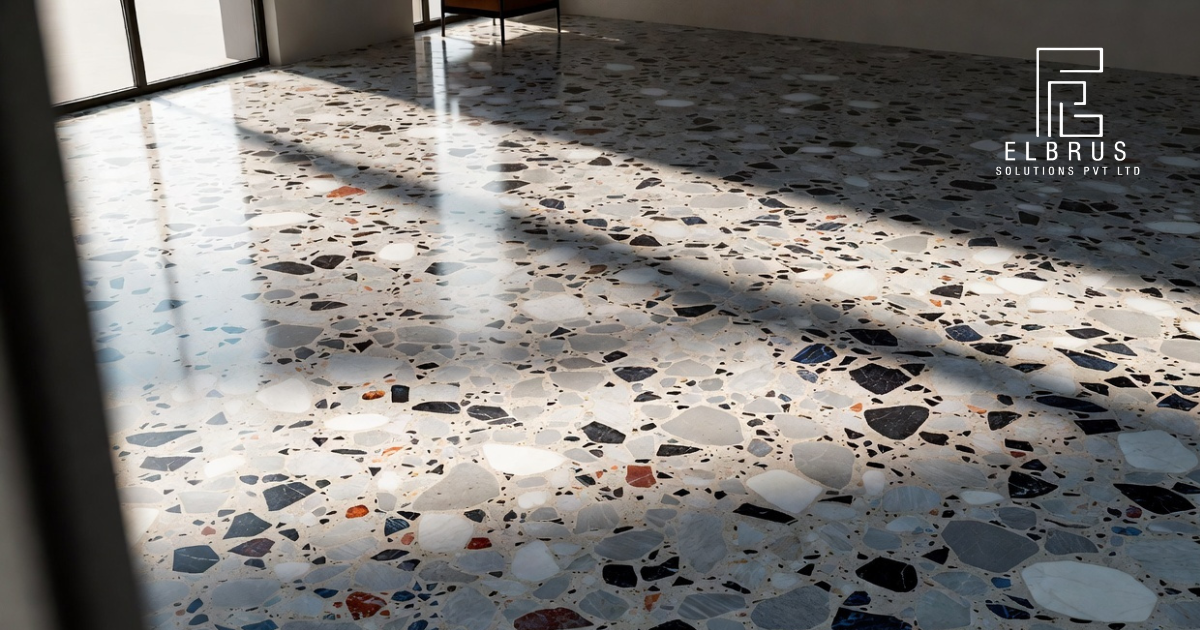
Terrazzo has earned a reputation as one of the most durable and visually striking flooring materials used in modern architecture. From historic buildings and airports to contemporary homes and luxury hotels, terrazzo surfaces combine artistic beauty with exceptional longevity. However, even though terrazzo is highly resilient, proper maintenance is essential to preserve its appearance and structural integrity.
Understanding Maintaining Terrazzo: Cleaning and Long-Term Care Tips helps property owners protect their investment and ensure the flooring remains attractive for decades. Terrazzo floors are composed of marble, quartz, glass, granite, or other aggregates embedded in cement or epoxy binders. Once cured and polished, the surface becomes extremely strong and smooth, but it still requires appropriate care.
Unlike carpet or vinyl flooring that may require replacement every few years, terrazzo can last 50 to 100 years or more when maintained correctly. This longevity is one of the reasons it is widely used in high-traffic environments such as hospitals, universities, and commercial buildings.
However, improper cleaning methods—such as using harsh chemicals or abrasive tools—can dull the surface or cause staining. To maintain terrazzo effectively, it is important to follow specific cleaning routines and preventative care strategies.
This guide explores professional cleaning techniques, stain prevention methods, and long-term care practices to help keep terrazzo floors looking polished and vibrant for years.
Understanding Terrazzo Surfaces
How Terrazzo Floors Are Constructed
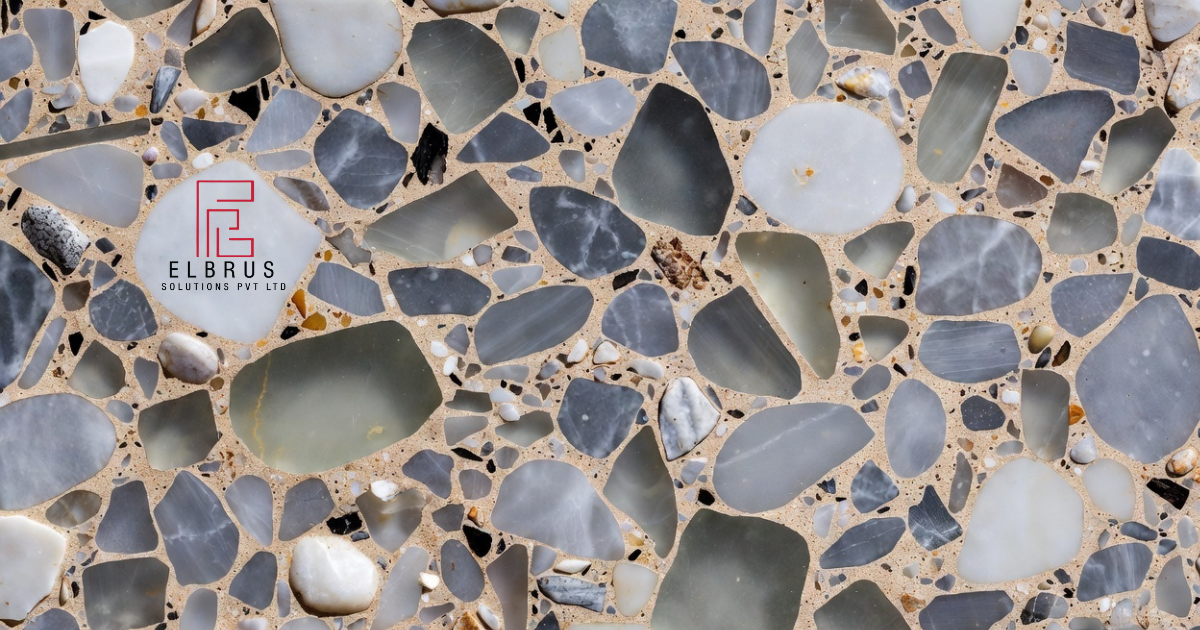
Before discussing maintenance, it helps to understand how terrazzo is made. Terrazzo flooring typically consists of decorative aggregates mixed into a binder such as cement or epoxy. After installation, the surface is ground and polished to reveal the embedded chips.
The main components include:
- Aggregates: Marble, glass, quartz, granite, or recycled materials
- Binder: Cement or epoxy that holds the aggregates together
- Sealant: A protective layer applied after polishing to prevent stains
Because terrazzo is non-porous when properly sealed, it resists moisture and dirt more effectively than many other flooring materials.
Why Proper Maintenance Matters
Although terrazzo is extremely durable, neglecting maintenance can lead to several issues:
- Surface dullness
- Stains from acidic substances
- Scratches from abrasive materials
- Loss of protective sealant
Routine care prevents these problems and helps maintain the original shine of the floor.
Daily Cleaning Practices for Terrazzo
Daily cleaning is the foundation of terrazzo maintenance.
Dry Dust Mopping
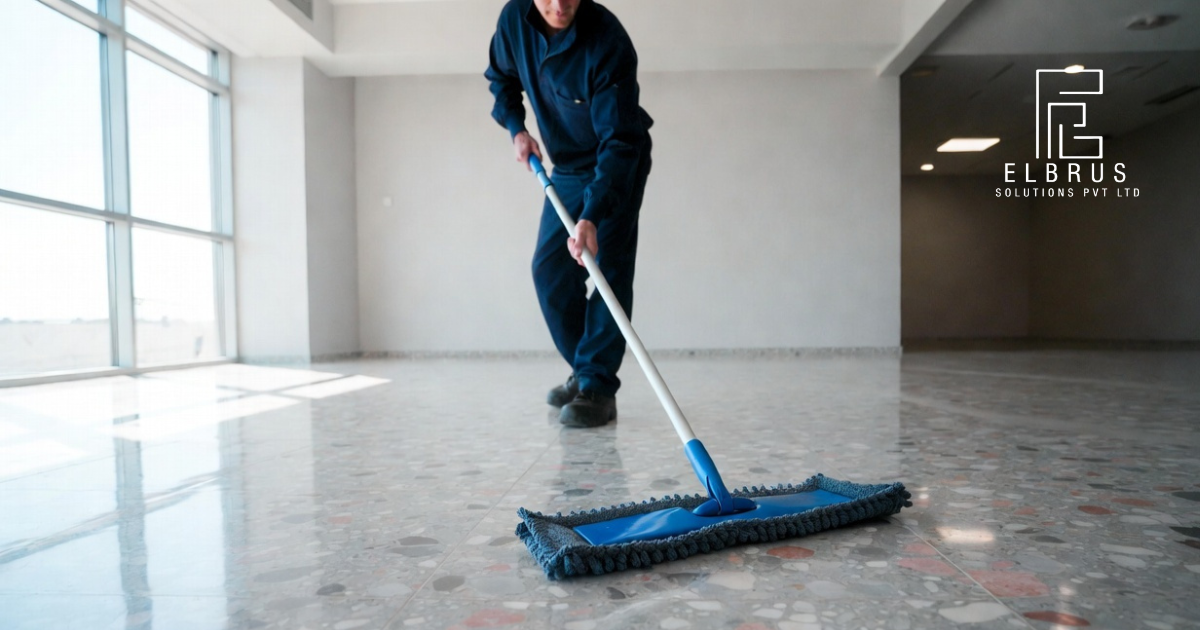
Dust and debris are the most common causes of surface wear. Small particles can act like sandpaper when people walk across the floor.
Using a soft microfiber dust mop daily removes dirt and prevents scratches.
Benefits of Daily Dust Mopping
- Prevents surface abrasion
- Maintains shine
- Reduces buildup of grime
This simple step significantly extends the lifespan of terrazzo floors.
Damp Mopping with Neutral Cleaners
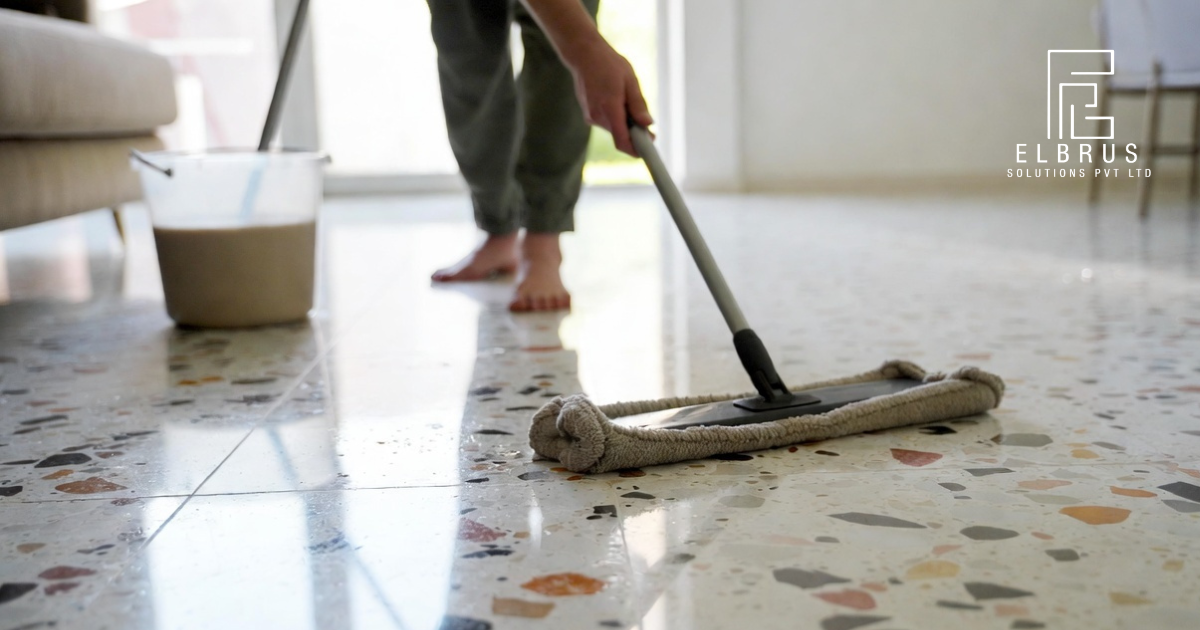
After removing dust, occasional damp mopping helps remove deeper dirt and residue.
The key is to use a pH-neutral cleaner specifically designed for terrazzo or stone surfaces.
Steps for Proper Damp Cleaning
- Fill a bucket with warm water and neutral cleaner.
- Use a soft mop rather than abrasive brushes.
- Mop gently across the floor.
- Rinse with clean water if necessary.
Avoid excessive water, as prolonged moisture exposure may weaken sealants over time.
Cleaning Products to Avoid
Certain cleaning products can damage terrazzo surfaces.
Acidic Cleaners
Products containing vinegar, lemon, or other acids should never be used on terrazzo. Acidic substances can react with marble aggregates and cause etching.
Harsh Chemicals
Bleach and ammonia-based cleaners may weaken the sealant layer and dull the surface.
Abrasive Scrubbers
Steel wool and rough scrub pads can scratch the polished finish. Always use soft cleaning tools designed for delicate surfaces.
Preventing Stains and Damage
Prevention is one of the most effective ways to maintain terrazzo floors.
Use Entrance Mats
Dirt and moisture often enter buildings through doorways. Placing high-quality mats at entrances helps capture debris before it reaches terrazzo floors.
Benefits include:
- Reduced dirt accumulation
- Less cleaning effort
- Protection against scratches
Clean Spills Immediately
Although terrazzo is relatively stain-resistant, certain substances can cause discoloration if left untreated.
Common staining agents include:
- Coffee
- Wine
- Oil
- Acidic beverages
Wiping spills quickly prevents stains from penetrating the surface.
Use Furniture Pads
Heavy furniture can scratch or damage terrazzo floors when moved.
Installing protective pads under chair and table legs prevents scratching and reduces surface pressure.
Long-Term Terrazzo Maintenance
While daily cleaning is essential, periodic maintenance ensures terrazzo retains its shine for decades.
Resealing Terrazzo Floors
The sealant layer protects terrazzo from stains and moisture.
Over time, sealants wear down due to foot traffic and cleaning. Professionals recommend resealing terrazzo floors every one to three years, depending on usage.
Benefits of resealing include:
- Restored stain resistance
- Enhanced surface shine
- Longer lifespan of the floor
Polishing and Burnishing
In high-traffic environments, terrazzo floors may lose some of their original luster.
Professional polishing or burnishing can restore the glossy appearance.
This process involves:
- Light grinding
- Polishing with fine abrasives
- Applying protective coatings
Regular polishing keeps terrazzo surfaces looking new.
Professional Deep Cleaning
Occasionally, terrazzo floors require professional cleaning services. Experts use specialized equipment and products designed for stone surfaces.
Professional maintenance may include:
- Machine scrubbing
- Diamond polishing
- Sealant reapplication
These services are particularly beneficial in commercial buildings with heavy foot traffic.
Maintaining Terrazzo in Different Environments
Maintenance requirements may vary depending on where terrazzo is installed.
Residential Spaces
In homes, terrazzo maintenance is relatively simple.
Recommended practices include:
- Weekly damp mopping
- Immediate spill cleanup
- Periodic resealing
- With minimal care, terrazzo floors in homes can last generations.
Commercial Buildings
Commercial spaces experience much heavier foot traffic.
Maintenance plans often include:
- Daily dust mopping
- Scheduled machine cleaning
- Professional polishing services
These routines ensure terrazzo remains attractive despite constant use.
Outdoor Terrazzo
Outdoor terrazzo surfaces face additional challenges such as weather exposure and dirt buildup.
Proper care includes:
- Pressure washing with mild cleaners
- Regular inspection for cracks
- Applying weather-resistant sealants
Common Terrazzo Maintenance Mistakes
Avoiding common mistakes is essential when learning Maintaining Terrazzo: Cleaning and Long-Term Care Tips.
Using the Wrong Cleaning Products
Harsh chemicals can damage terrazzo and reduce its lifespan.
Skipping Regular Cleaning
Neglecting routine cleaning allows dirt buildup that gradually dulls the surface.
Ignoring Sealant Maintenance
Without proper sealing, terrazzo becomes more vulnerable to stains and moisture damage.
Conclusion
Terrazzo flooring is an exceptional investment because of its durability, sustainability, and timeless beauty. By following proper care practices outlined in Maintaining Terrazzo: Cleaning and Long-Term Care Tips, homeowners and property managers can ensure their floors remain stunning for decades.
Regular dust mopping, gentle cleaning with neutral products, prompt spill removal, and periodic resealing are the key steps to maintaining terrazzo surfaces. When combined with professional polishing and deep cleaning, these practices preserve the elegance and functionality of terrazzo floors.
With the right maintenance routine, terrazzo continues to prove why it remains one of the most reliable and long-lasting flooring solutions in architecture.