

Sustainable architecture is no longer a niche concept it has become a necessity. Designers, architects, and homeowners across the world are actively searching for materials that reduce environmental impact without compromising style or durability. One material that has quietly risen to the top of sustainable building solutions is terrazzo.
The growing interest in Eco-Friendly Flooring: Terrazzo’s Sustainability Story reflects a broader shift in how buildings are designed and constructed. Terrazzo combines recycled materials, long-term durability, and low maintenance to create a flooring option that aligns perfectly with green building principles.
Originally developed centuries ago in Italy, terrazzo was created as a way to reuse leftover marble fragments. Craftsmen embedded these stone chips into clay and polished the surface to create a beautiful yet practical floor. What began as a resourceful solution has now evolved into a modern, sustainable design material used in airports, universities, hospitals, hotels, and residential interiors.
Today’s terrazzo systems typically consist of marble, quartz, granite, glass, or recycled materials embedded in cement or epoxy binders. Because the aggregates often come from recycled sources, terrazzo significantly reduces waste in the construction industry. At the same time, its long lifespan—often exceeding 50 years—means fewer replacements and lower resource consumption over time.
This article explores the full sustainability journey behind terrazzo flooring, from its recycled origins to its environmental benefits, design versatility, and role in modern green architecture.
The Origins of Terrazzo: Sustainability from the Beginning
How Terrazzo Started as a Recycling Innovation
The story of terrazzo begins in 15th-century Venice, where construction workers used leftover marble pieces from luxury building projects. Rather than discarding these fragments, artisans embedded them into clay floors and polished the surface with stones to create a smooth, decorative finish.
This early version of terrazzo was essentially an upcycling solution—transforming construction waste into durable flooring.
Over time, the material evolved as new binders and polishing techniques were introduced. Cement-based terrazzo became popular in the early 20th century, and later epoxy-based terrazzo systems offered even greater design flexibility.
Despite these technological advancements, the core philosophy remained the same: use available materials efficiently while minimizing waste.
The Evolution into Modern Sustainable Flooring
Modern terrazzo systems have advanced significantly compared to traditional versions. Today, terrazzo can incorporate:
-
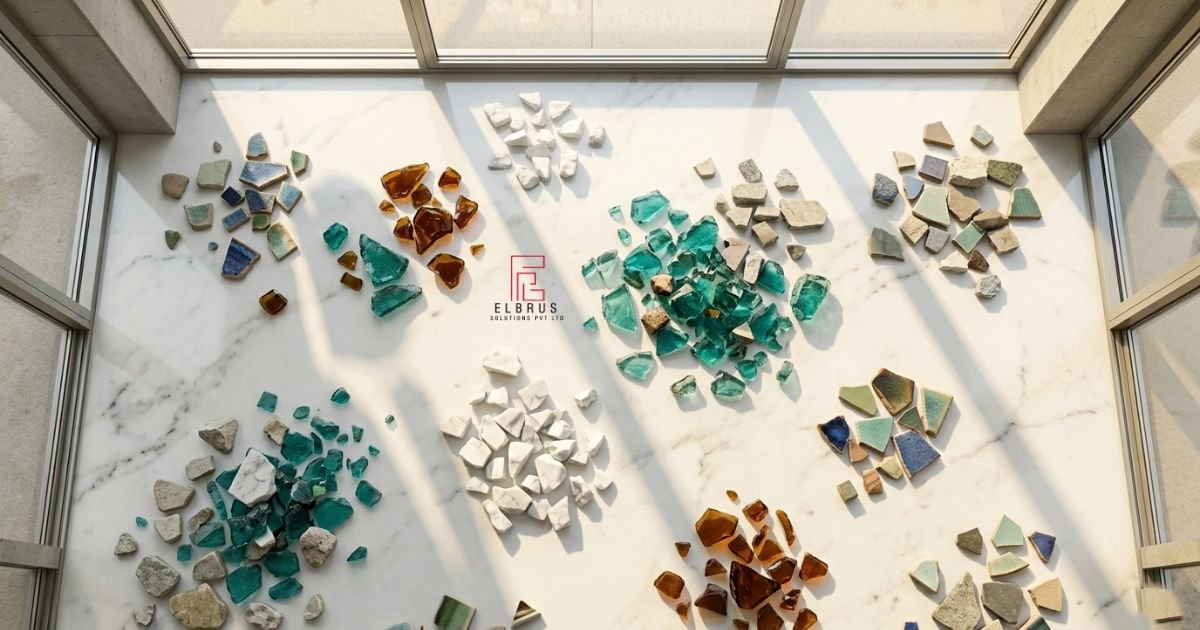
Recycled glass
-
Reclaimed marble chips
-
Recycled porcelain
-
Post-industrial stone waste
-
Sustainable binders with low emissions
Manufacturers now design terrazzo systems specifically to meet environmental standards used in green building certifications.
This evolution has helped terrazzo transition from a historic craft material to one of the most environmentally responsible flooring options available today.
Why Terrazzo Is Considered Eco-Friendly Flooring
The sustainability story behind terrazzo is built on several key environmental advantages.
1. Use of Recycled Materials
One of terrazzo’s strongest sustainability benefits is its use of recycled aggregates.
Many terrazzo systems include:
-
Crushed recycled glass
-
Reclaimed stone fragments
-
Industrial by-products from quarrying
These materials would otherwise end up in landfills. By incorporating them into flooring systems, terrazzo reduces waste while giving new life to discarded resources.
In some installations, recycled content can exceed 70 percent of the total material composition.
2. Exceptional Durability and Longevity
A key factor in sustainable construction is material lifespan. The longer a material lasts, the fewer resources are needed to replace it.
Terrazzo is known for its remarkable durability. Properly installed terrazzo floors can last 50 to 100 years or more.
This longevity offers several environmental benefits:
-
Reduced material consumption
-
Lower replacement frequency
-
Less construction waste
In many historic buildings, terrazzo floors installed decades ago remain intact today with minimal restoration.
3. Low Maintenance Requirements
Unlike many flooring materials that require frequent replacement, polishing, or chemical cleaning, terrazzo is extremely easy to maintain.
Typical maintenance includes:
-
Regular sweeping
-
Damp mopping
-
Occasional resealing
Because terrazzo does not require harsh chemical cleaners or frequent refinishing, it reduces environmental pollution over time.
Low maintenance also translates to reduced water usage and fewer cleaning products.
Terrazzo and Green Building Certifications
1. Contribution to Sustainable Architecture
Many architects choose terrazzo because it can contribute to green building certification systems such as LEED (Leadership in Energy and Environmental Design).
Terrazzo may help projects earn sustainability credits in several categories:
-
Recycled material usage
-
Regional material sourcing
-
Indoor environmental quality
-
Long material lifespan
Because terrazzo can be manufactured locally using regionally sourced aggregates, it can also reduce transportation emissions associated with building materials.
Low VOC Emissions and Healthy Indoor Air
Indoor air quality is another major concern in sustainable construction.
Modern terrazzo systems—particularly epoxy terrazzo—can be formulated with low VOC (volatile organic compound) emissions. VOCs are chemicals that can evaporate into the air and negatively affect indoor air quality.
Low-VOC materials help create healthier indoor environments for occupants, making terrazzo a suitable choice for:
-
Hospitals
-
Schools
-
Offices
-
Residential buildings
Design Flexibility Without Environmental Cost
Custom Colors and Patterns
One of the reasons terrazzo remains popular among designers is its unlimited design potential.
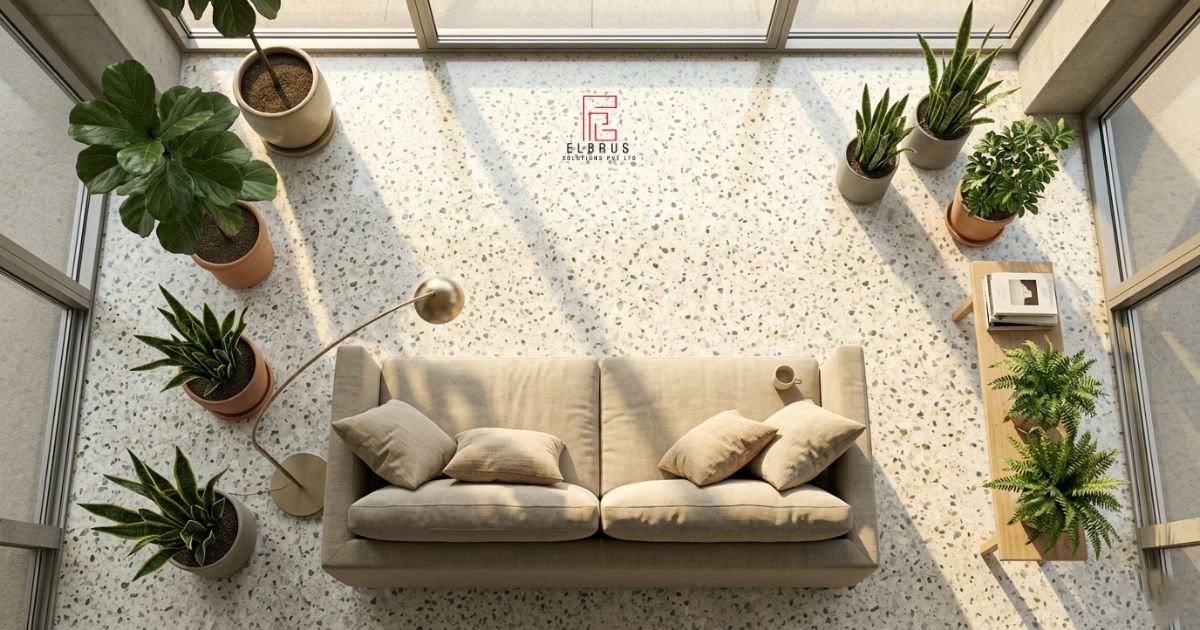
By combining aggregates of different colors, sizes, and materials, terrazzo can create:
-
Subtle speckled textures
-
Bold artistic patterns
-
Geometric floor layouts
-
Custom logos and graphics
Despite this design freedom, terrazzo still maintains its sustainable foundation because many of the aggregates are recycled materials.
Compatibility with Modern Interior Design
Terrazzo fits seamlessly into many contemporary design styles.
Popular applications include:
-
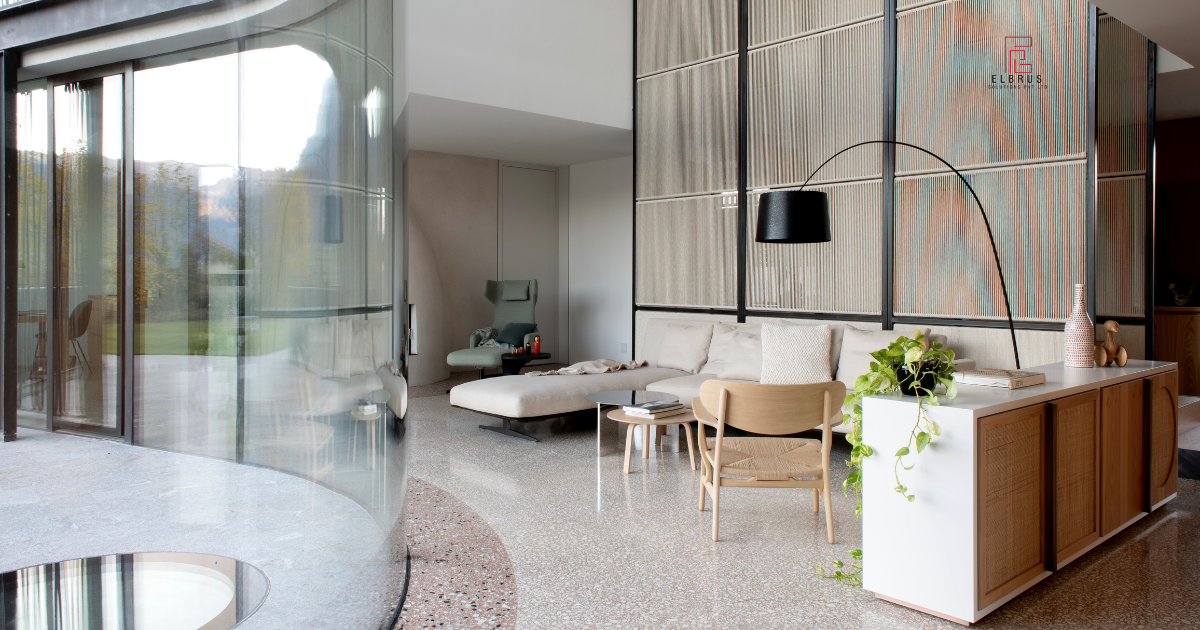
Minimalist interiors
-
Scandinavian design
-
Industrial architecture
-
Luxury hospitality spaces
Because terrazzo surfaces can be polished, matte, or textured, designers can adapt the material to different aesthetics without sacrificing sustainability.
Energy Efficiency and Thermal Benefits
Reflective Properties
Polished terrazzo floors have a naturally reflective surface. This characteristic helps increase interior brightness by reflecting natural and artificial light.
Improved light reflection can reduce the need for additional lighting, lowering energy consumption in large buildings such as airports and shopping centers.
Thermal Mass and Temperature Regulation
Terrazzo also has strong thermal mass properties. This means it can absorb, store, and release heat gradually.
When used in buildings with radiant heating or passive solar design, terrazzo floors can help regulate indoor temperatures and improve energy efficiency.
Applications of Sustainable Terrazzo Flooring
Terrazzo’s durability and environmental benefits make it suitable for many types of spaces.
Commercial Buildings
-
Airports
-
Office buildings
-
Hotels
-
Retail centers
Public Institutions
-
Universities
-
Hospitals
-
Museums
-
Libraries
Residential Spaces
-
Kitchens
-
Bathrooms
-
Living rooms
-
Outdoor patios
These diverse applications demonstrate how sustainable materials can also be visually striking.
Challenges and Considerations
While terrazzo is highly sustainable, there are a few factors to consider.
Higher Initial Cost
Terrazzo installation can be more expensive than materials like vinyl or laminate. However, its longevity often makes it more cost-effective over time.
Skilled Installation Required
Installing terrazzo requires experienced professionals. Proper installation ensures durability and prevents cracking.
Material Weight
Terrazzo can be heavier than some flooring options, which may require structural considerations in certain buildings.
Despite these factors, many architects still choose terrazzo due to its long-term sustainability benefits.
Conclusion
The story behind Eco-Friendly Flooring: Terrazzo’s Sustainability Story demonstrates how traditional craftsmanship and modern sustainability goals can work together. What began as a simple recycling practice in historic Venice has evolved into one of the most environmentally responsible flooring solutions available today.
By incorporating recycled materials, lasting for decades, improving indoor air quality, and reducing long-term environmental impact, terrazzo stands out as a flooring option that aligns perfectly with the future of sustainable architecture.
As the construction industry continues to prioritize eco-conscious materials, terrazzo is likely to remain a cornerstone of green design—proving that beauty, durability, and sustainability can coexist in one remarkable surface.